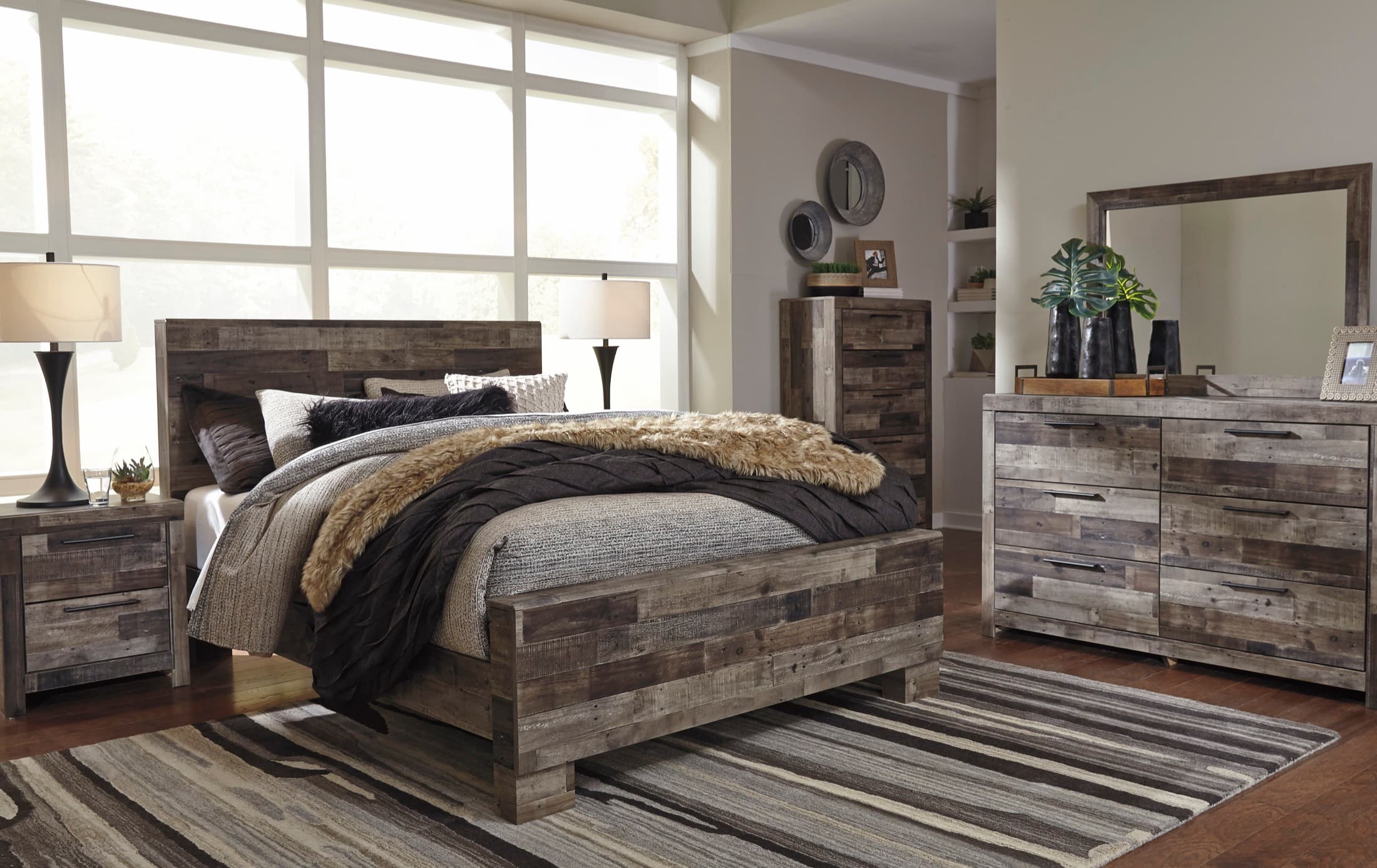
Middletown is a steel town at heart. Armco (later AK Steel, now Cleveland-Cliffs) put the city on the map in the early 1900s, and a large share of the houses here — the bungalows and Cape Cods near downtown, the postwar ranches and two-stories off Central Ave and Breiel — went up for mill families between roughly the 1920s and the 1960s. We won't pretend to quote an exact percentage; what we can tell you is that our delivery crews see these houses every single day, and they were not designed with 2026 sectionals in mind. Here's the fit guide that prevents heartbreak.
What older Middletown houses have in common
- •Interior doorways that often measure 28–30 inches, versus the 32–36 inches common in newer subdivisions — always measure yours instead of assuming.
- •Living rooms and bedrooms that are genuinely smaller than what big showroom pieces are scaled for.
- •Steep, enclosed staircases with a turn at the top — the spot where king headboards and one-piece box springs get defeated.
- •Basements with low ceilings and narrow stairs, if that's where the rec-room sectional is headed.
The three measurements that decide everything
- •Narrowest doorway on the route — front door, interior doors, and any door you have to turn through.
- •The stair turn — measure the diagonal clearance at the landing, not just the width of the steps.
- •Ceiling height over the stairs — finished attics and basement stairwells hide low spots that block tall headboards and box springs.
What fits old houses (from people who carry it)
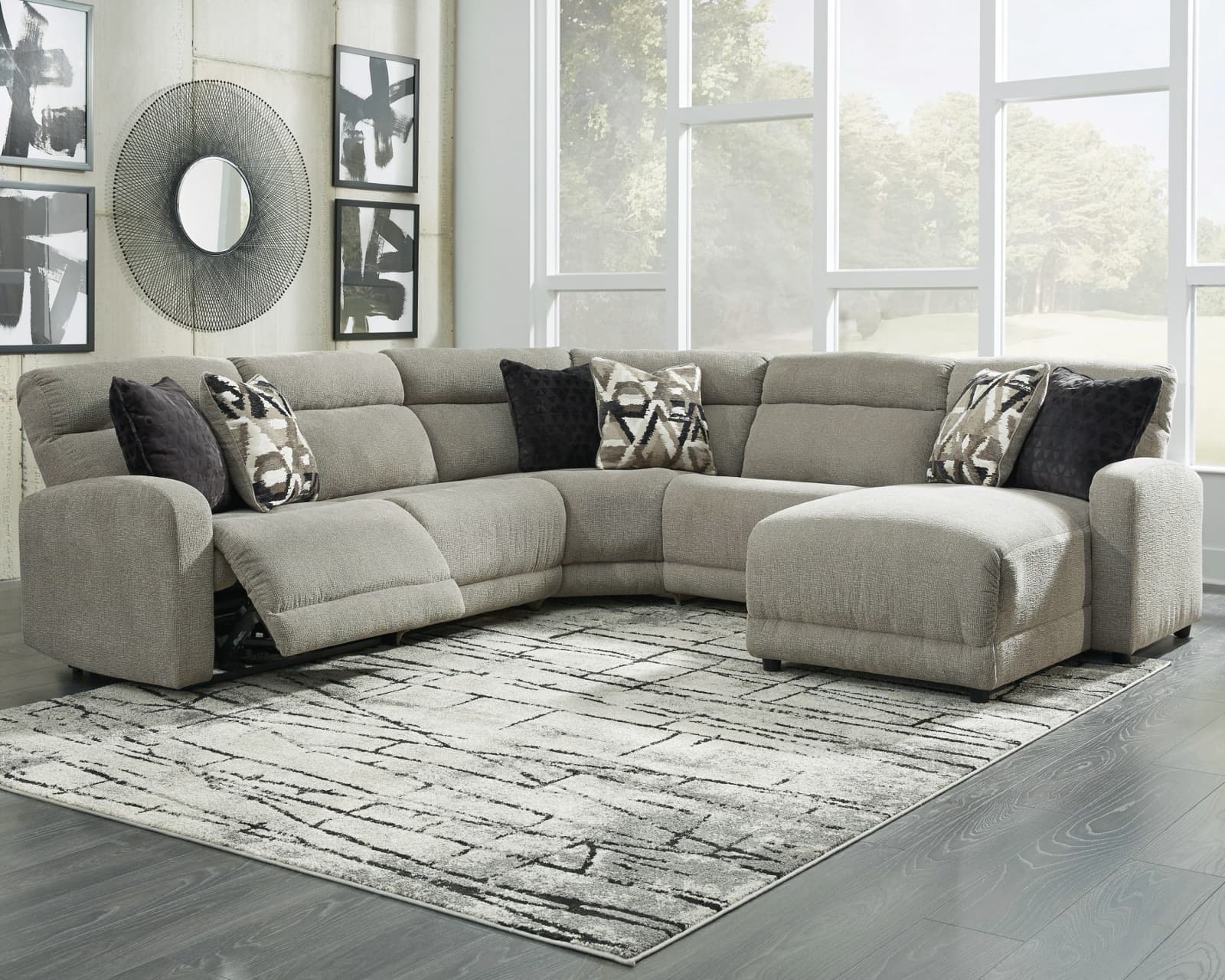
- •Modular sectionals — separate sofa, armless loveseat and ottoman pieces that build into a sectional INSIDE the room. The doorway only ever sees one piece at a time.
- •Low-profile and detachable-leg sofas make the stair turn that one-piece giants can't.
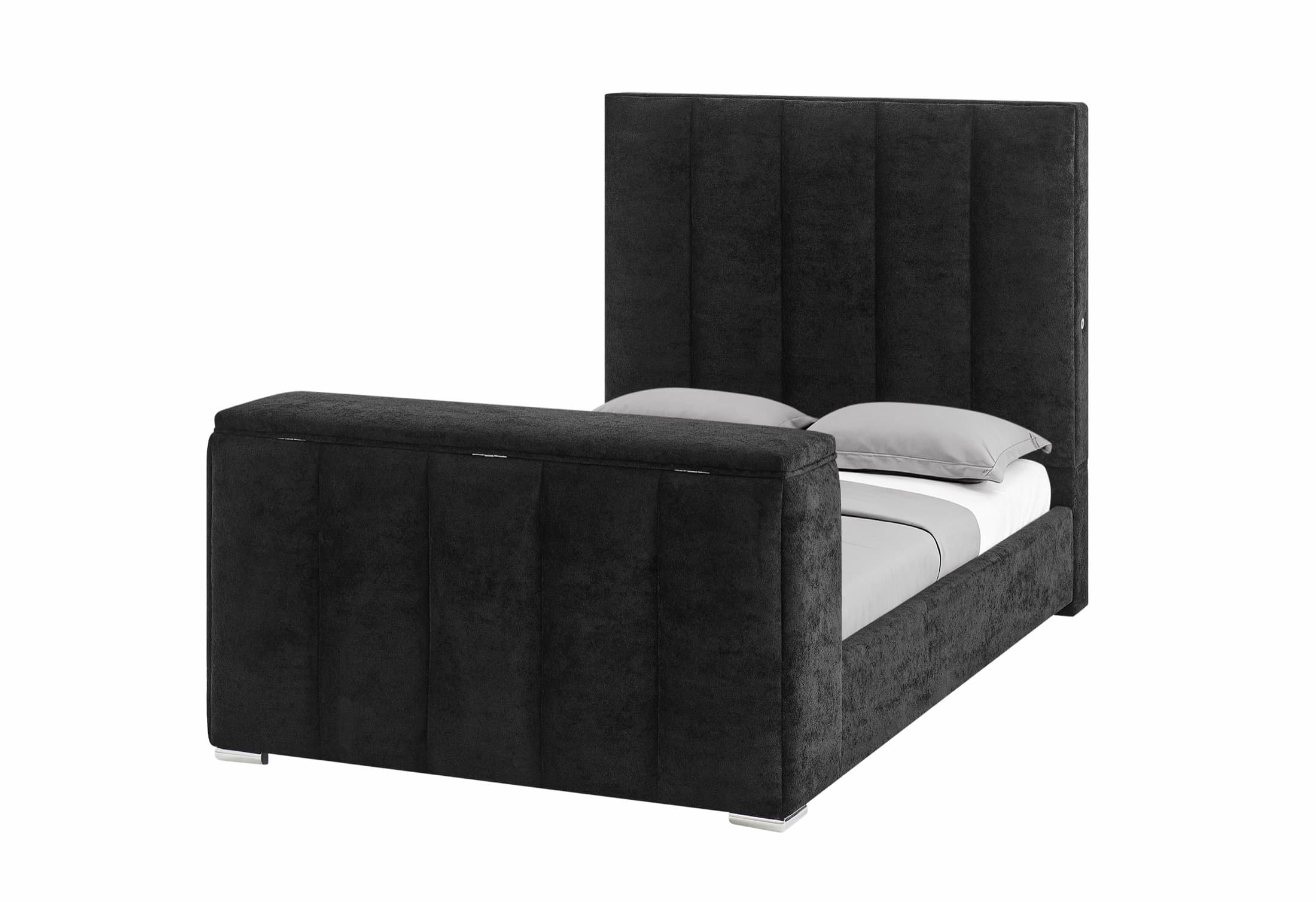
- •Split foundations instead of one-piece box springs for any upstairs bedroom.
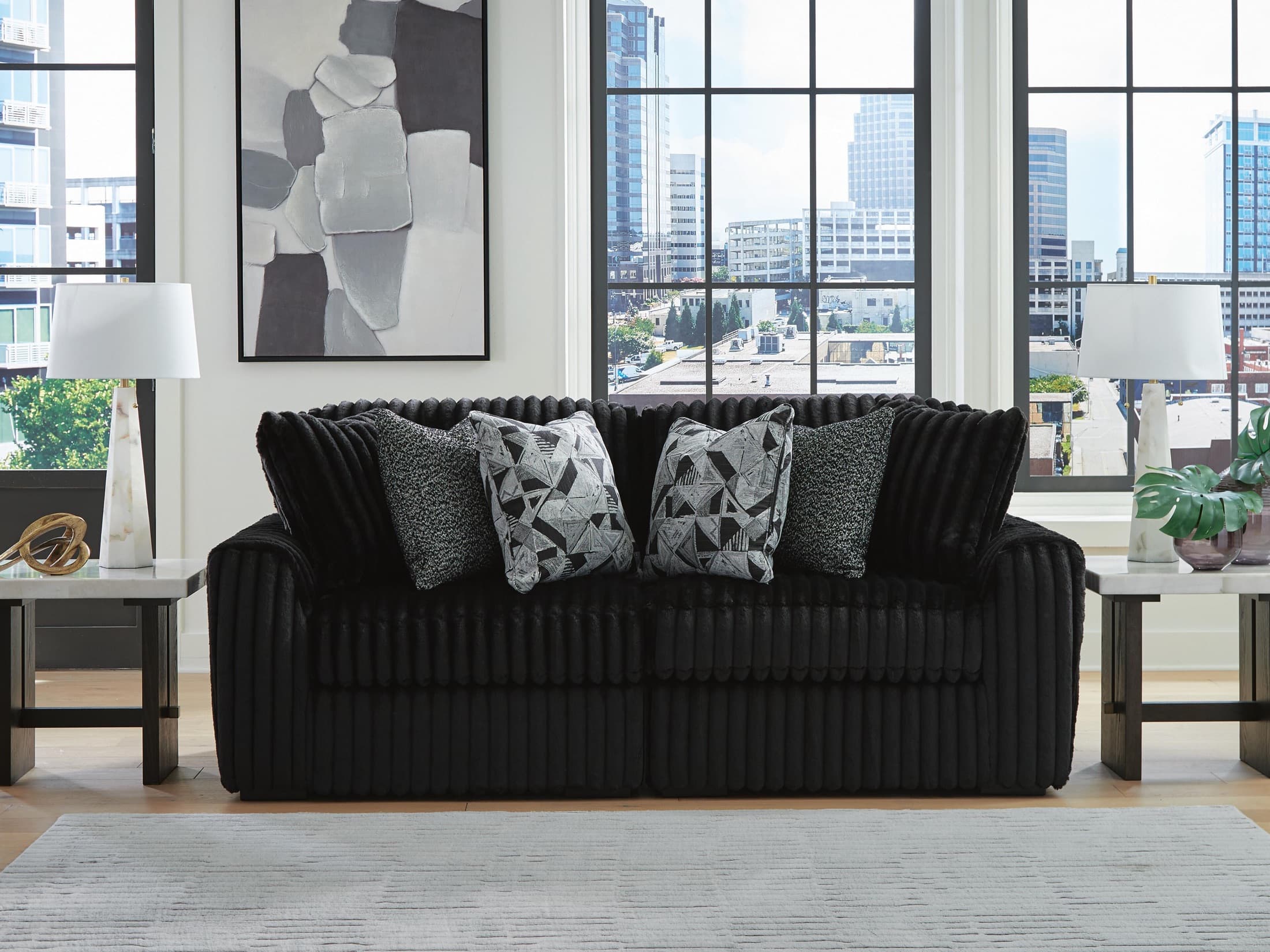
- •Apartment-scale sofas (72–80 inches) fit a 1940s living room better than 96-inch showpieces — and look better in them too.
- •Counter-height or drop-leaf dining sets for the small eat-in kitchens these houses were built with.
Use the crew's brain before you buy
Every product page on our site lists dimensions. Bring a photo of your doorway or staircase to the store with a tape measure in frame — (513) 217-0047 — and the people who will actually carry the piece will tell you straight whether it makes the turn. That's a service no website checkout can offer, and it's free. It's also why same-day delivery into 80-year-old houses is routine for us and a horror story elsewhere. Step-by-step measuring instructions are in our sectional measuring guide.
Old house? We know the way in.
Shop pieces that fit